The packages spill out from my mailbox, each one labeled with foreign characters in the upper left-hand side.
They’re all from China. I let out a groan. I’ve been duped again.
It started on Instagram, when I first saw a blouse and bloomer set for my 3-month old baby from one of the ads that populated my feed. The carefully curated profile featured baby goods in organic hues, pretty pregnant moms, and breezy beachside shots, crafting a sunny disposition that made me think the products were coming out of Australia or California. I clicked to buy.
A new mom, I spent hours perusing the internet while baby slept, and soon I found myself comparing my family with those of other users. I developed mom envy. Gotta get that organic bamboo onesie that makes baby look so carefully composed; the wooden hangers that create just the right effect in her nursery; the food processor that makes mealtimes fun and easy. I didn’t even want to shop, really, but the ads kept tumbling through my feed, and like an addict, I kept right on clicking. Buy, buy, buy.
This unbridled sense of want is has permeated American life. As evidence, just look at the our obsession with shows about hoarding or, most recently, “tidying up,” the clean living lifestyle propagated by Marie Kondo that implores families to sift through cluttered homes and dump accumulated objects that don’t “spark joy.” To have is what defines the American dream—that shining beacon that citizens constantly pursue, that immigrants hope one day to reach for.
The idea of conspicuous consumption has been a part of American life since economist Thorstein Veblen coined the term in 1899, after the Second Industrial Revolution led to an increase in living standards and the rise of middle class households. During this time, the upper class flaunted their wealth as a means of displaying their social status and prestige, whether real or perceived, purchasing lavish items as opposed to goods that covered basic needs.
Today this ostentatious display of goods is constantly in our faces thanks to social media companies, what technologist Jaron Lanier calls “behavior modification empires.” It is now all too easy to compare oneself with those picture-perfect images we see in our feeds, many of which are manufactured images unattainable in real life. “We cannot have a society in which, if two people wish to communicate, the only way that can happen is if it’s financed by a third person who wishes to manipulate them,” Lanier stated in a Tedx talk. So when ads for cute baby clothes—made cheap, mind you, and shipped directly by Chinese manufacturers—inundate our feeds, many times the immediate instinct is to dole out the dough for stuff we don’t need.
Many of the things I ended up buying through social media ads were shipped to me via China Post, the country’s official postal service. One such item, a flowered tank onesie, was shabbily made and came, unlike as shown online, without bottom buttons, creating a conundrum as to how to change baby’s diaper without undressing her completely—prompting such outrage that I posted a scathing comment in the user’s feed.
Social media sites like Instagram and Facebook do little to curtail accounts that deceive viewers, all the while continuing to rake in the revenue from ad dollars. Meanwhile, Americans are more in debt than ever. In 2018, credit card debt in the U.S. exceeded $1 trillion for the first time ever, according to a report by personal finance site WalletHub, with the average consumer owning more than $8,200 on credit cards, a number the site says is just shy of being unsustainable for households. Many Americans have little cash in reserves, too, according to a report by the Federal Reserve, with 40 percent who said they’d be unable to cover an unexpected $400 expense without having to borrow or sell something.
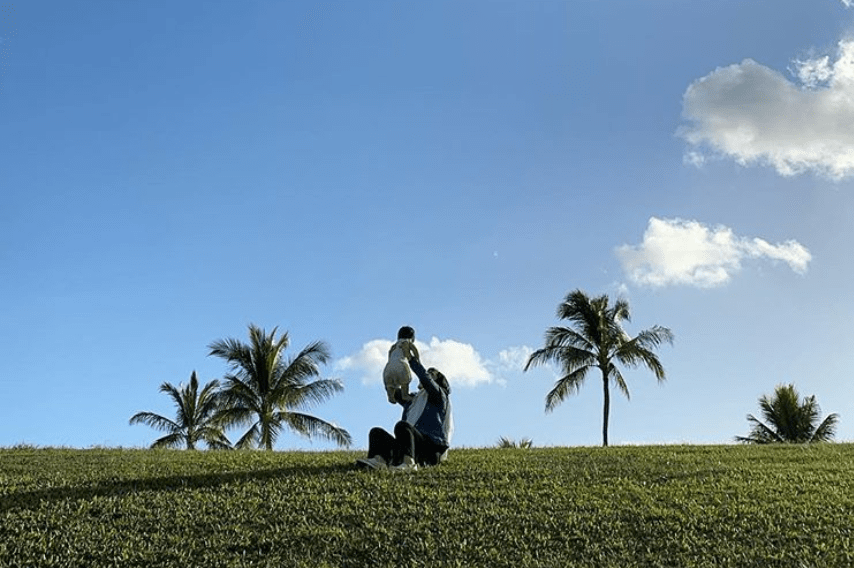
It would be easy to say to just delete your social media accounts, as Lanier often suggests. But for me, when I’m stuck at home with baby, social media is my window to the world, allowing me to stay up-to-date on world events and in touch with friends. But instead of always seeing life through the feeds of others, I can experience it myself, take baby out, to the beach, to the park. Perhaps she’ll learn a new skill, or get tired out. And it won’t even cost me a thing.
 LOVE OF JAYMES